
Contrada Selvitelle 6, Cicerale - Italy

+39 346 21 28 788

Discover Cilento

The Mediterranean diet in Cilento: food, seasons and shared meals

In Cilento, the Mediterranean diet is a way to talk about food and the life around it: ingredients, cooking, seasons and meals shared with other people. It is more interesting to explore those habits than to treat a visit as a promise of better health.

At Selvitelle, food is part of everyday life. Vegetables from the garden, bread from the oven and time spent cooking are among the things we enjoy about living here.

Why is Cilento associated with the Mediterranean diet?

Pioppi, on the Cilento coast, is closely associated with Ancel Keys and his work on the Mediterranean diet. It remains a place to explore the subject and its connection with local food culture.

The term also describes a wider cultural heritage. UNESCO's Mediterranean diet inscription includes practices and knowledge connected with growing, preparing and sharing food across several Mediterranean communities.

That is a broader story than a single list of ingredients or a claim that everyone in one region eats in the same way.

What might you find on the table?

Vegetables, pulses, olive oil, fruit, grains and bread are familiar starting points for exploring the food culture. What is available changes with the season and the place where you shop or eat.

Cilento also has particular local products worth asking about. Cicerale is associated with chickpeas; elsewhere in the region you may encounter white figs, local cheeses and preserved anchovies.

You do not need a complicated meal to begin noticing those differences. A dish of pulses, vegetables prepared with care or bread with olive oil can give you plenty to pay attention to.

Eating as part of the day

The social side matters too: making time to cook, sitting down to eat and sharing what has been prepared.

At Selvitelle, the garden influences what we have available and what we feel like making. Sometimes there is an opportunity to share a meal or see what is happening in the kitchen or on the land. These are occasional invitations, rather than a scheduled culinary programme.

Guests staying independently can also discover local food in their own way, through shops, markets and places to eat during their visit.

What to take home

Perhaps it is an ingredient you had not cooked before, a dish you would like to make again or the memory of taking more time over a meal.

There is no need to turn the holiday into a set of rules. Ask questions, try what interests you and enjoy the differences between one place and another.

This article explores food culture, rather than giving individual dietary advice or making a health promise. At its heart is a simple invitation: leave enough time to enjoy what you eat.

Read more about life at Selvitelle.

Further reading: the Mediterranean diet as cultural heritage and its connections with Cilento.
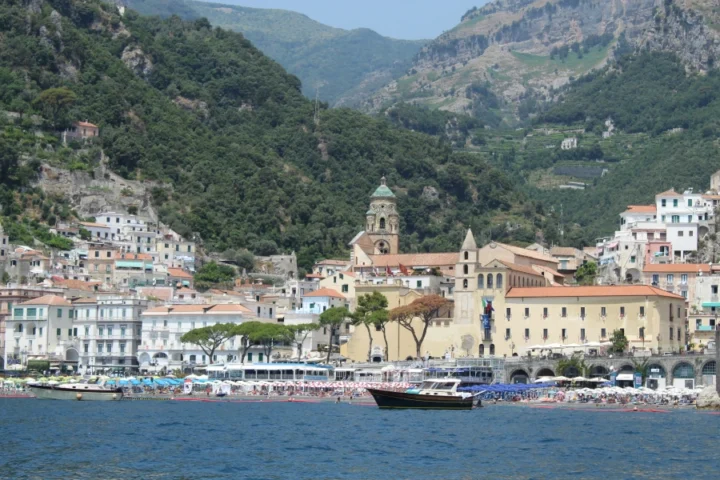
Cilento or the Amalfi Coast: which suits your holiday?

Cilento and the Amalfi Coast are both in Campania, but they need not offer the same kind of holiday. The better choice depends on where you want to spend your days and what you want from the place you stay.

If the Amalfi Coast is the main reason for your trip, staying there or near your chosen transport connections may be the more practical option. If you want countryside, village visits and time to explore Cilento itself, a base here may suit you better.

Start with the holiday you want

Would you like to step out into a coastal town, with restaurants and sights close at hand? Or would you prefer to wake up in the hills and choose where to go after breakfast?

Neither is a better way to travel. They are different experiences, and being clear about your preference makes accommodation easier to choose.

Selvitelle is near Cicerale, in the Cilento countryside. It offers independent studios and outdoor space, rather than a location in an Amalfi Coast town.

Give Cilento its own time

Cilento has its own reasons to visit: the archaeological sites of Paestum and Velia, coastal places, inland villages and the varied landscapes of the national park.

If you choose to stay here, leave room for those places. Treating Cilento only as somewhere to sleep between excursions elsewhere can mean missing much of what makes a stay worthwhile.

You might spend one day visiting an archaeological site, another by the sea, and another close to your accommodation. There is no obligation to fit everything into the same trip.

Can you visit the Amalfi Coast from Cilento?

It is possible to plan an excursion, but the practicalities depend on your starting point, destination, season and transport. A journey to one coastal town is not interchangeable with a journey to another.

Check the full route, including transfers, parking where relevant and the return journey. If travelling by ferry, consult the operator's current timetable and conditions before setting off.

We would not choose a countryside base in Cilento solely on the assumption that visiting the Amalfi Coast every day will be quick or straightforward. If you want to explore both areas in depth, consider dividing your stay.

Choosing Selvitelle

Selvitelle may suit you if your holiday centres on a small place in nature, an independent studio and the freedom to alternate outings with quieter days.

Choose it because that is the stay you want. The Amalfi Coast can be a separate decision in your travel plans, rather than the measure of whether a holiday in Cilento is worthwhile.

See our studios or get to know Cilento before deciding.

Discover Cilento: coast, countryside and time to explore

Cilento lies in Campania, south of Salerno, in southern Italy. Its coast, inland hills and historic sites offer quite different ways to spend a holiday. You can explore, but you do not need to fill every day.

At Selvitelle, near Cicerale, we live in the countryside. For us, discovering Cilento means making time for the place between the better-known sights: a village, a meal, a walk, or an afternoon with no particular plan.

The Cilento coast

The coast is one part of the region's appeal. Places such as Agropoli and Castellabate can give a countryside stay a different rhythm for the day, with time by the sea and a look around town.

Cilento is not uniformly empty or quiet. Popular coastal places can be busy, particularly in the Italian summer holiday period. If space and quiet matter to you, consider when you travel as carefully as where you stay.

There is no need to see the whole coastline in one visit. Choosing a smaller area often leaves more time to enjoy it.

Inland hills and the national park

Away from the sea, the landscape becomes a different part of the holiday: hills, olive groves, villages and mountain country.

The Cilento, Vallo di Diano and Alburni National Park covers a varied landscape. Walking here requires some planning: choose a route that suits your experience, check current conditions and allow for heat, daylight and the journey to the start.

A village visit or a shorter walk can be just as rewarding as a full day's outing. You do not need an ambitious itinerary to spend time outdoors.

History at Paestum and Velia

Paestum and Velia are two of the region's important archaeological sites. Together with the Certosa di Padula and the wider cultural landscape, they form part of Cilento's UNESCO World Heritage inscription.

They give a visit another dimension beyond the coast and countryside. Check official opening arrangements before travelling, and leave enough time to explore without rushing on to the next stop.

Leave some space in the itinerary

A holiday here can include history, local food, a coastal day and a walk inland. It can also include returning to your terrace earlier than planned.

Distances and journeys vary across Cilento. Before booking, decide whether you would prefer a coastal base or time in the countryside, and check transport for the places that matter most to you.

Selvitelle offers two independent studios in the hills, each with private outdoor space. It suits guests who enjoy having their own place to return to after a day out—or a place to stay for the day.

Explore our studios to see whether that kind of stay is what you have in mind.

Learn more about Cilento’s UNESCO World Heritage landscape.

This site uses cookies. By continuing to browse you accept their use. Further Information