In Cilento, the Mediterranean diet is a way to talk about food and the life around it: ingredients, cooking, seasons and meals shared with other people. It is more interesting to explore those habits than to treat a visit as a promise of better health.
At Selvitelle, food is part of everyday life. Vegetables from the garden, bread from the oven and time spent cooking are among the things we enjoy about living here.
Why is Cilento associated with the Mediterranean diet?
Pioppi, on the Cilento coast, is closely associated with Ancel Keys and his work on the Mediterranean diet. It remains a place to explore the subject and its connection with local food culture.
The term also describes a wider cultural heritage. UNESCO's Mediterranean diet inscription includes practices and knowledge connected with growing, preparing and sharing food across several Mediterranean communities.
That is a broader story than a single list of ingredients or a claim that everyone in one region eats in the same way.
What might you find on the table?
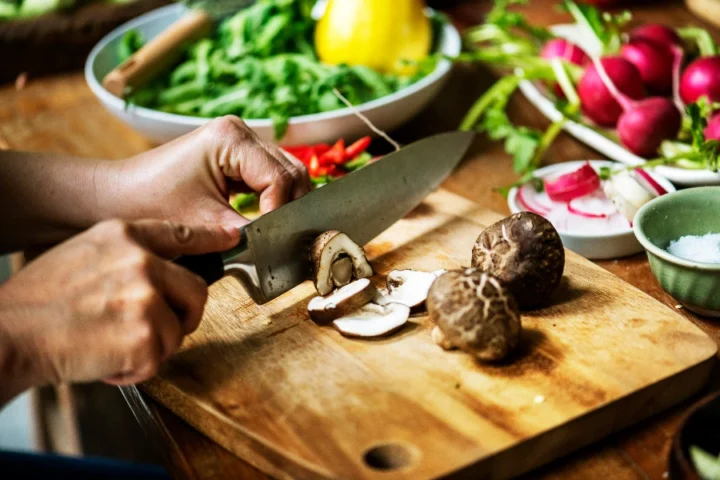
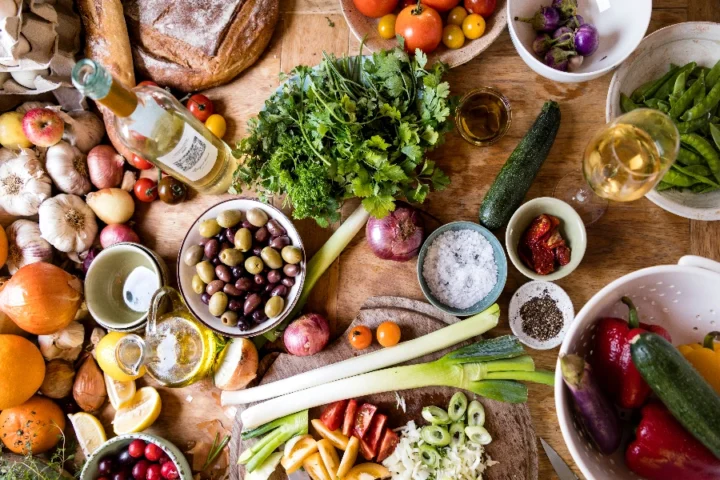
Vegetables, pulses, olive oil, fruit, grains and bread are familiar starting points for exploring the food culture. What is available changes with the season and the place where you shop or eat.
Cilento also has particular local products worth asking about. Cicerale is associated with chickpeas; elsewhere in the region you may encounter white figs, local cheeses and preserved anchovies.
You do not need a complicated meal to begin noticing those differences. A dish of pulses, vegetables prepared with care or bread with olive oil can give you plenty to pay attention to.
Eating as part of the day
The social side matters too: making time to cook, sitting down to eat and sharing what has been prepared.
At Selvitelle, the garden influences what we have available and what we feel like making. Sometimes there is an opportunity to share a meal or see what is happening in the kitchen or on the land. These are occasional invitations, rather than a scheduled culinary programme.
Guests staying independently can also discover local food in their own way, through shops, markets and places to eat during their visit.
What to take home
Perhaps it is an ingredient you had not cooked before, a dish you would like to make again or the memory of taking more time over a meal.
There is no need to turn the holiday into a set of rules. Ask questions, try what interests you and enjoy the differences between one place and another.
This article explores food culture, rather than giving individual dietary advice or making a health promise. At its heart is a simple invitation: leave enough time to enjoy what you eat.
Read more about life at Selvitelle.
Further reading: the Mediterranean diet as cultural heritage and its connections with Cilento.